How to Create a Strong Password
To create a strong password, use a long password that is also a unique password and a random password, with at least 16 characters, saved in a password manager and protected by two-factor authentication. That is the direct answer to how to create a strong password, and this guide explains the password length, password strength and daily habits behind it, so you can protect every online account without guessing.
A secure password matters because account security is no longer a side detail of online security. One weak password can open the door to a cyber attack, a data breach and a compromised account, and password reuse makes that risk worse, because one leaked password can then unlock many places. This guide covers password security, online safety and digital security in plain language, with a password example in each section, so you can build a good password routine and keep your password safe.
Table of Contents
What Makes a Password Strong?
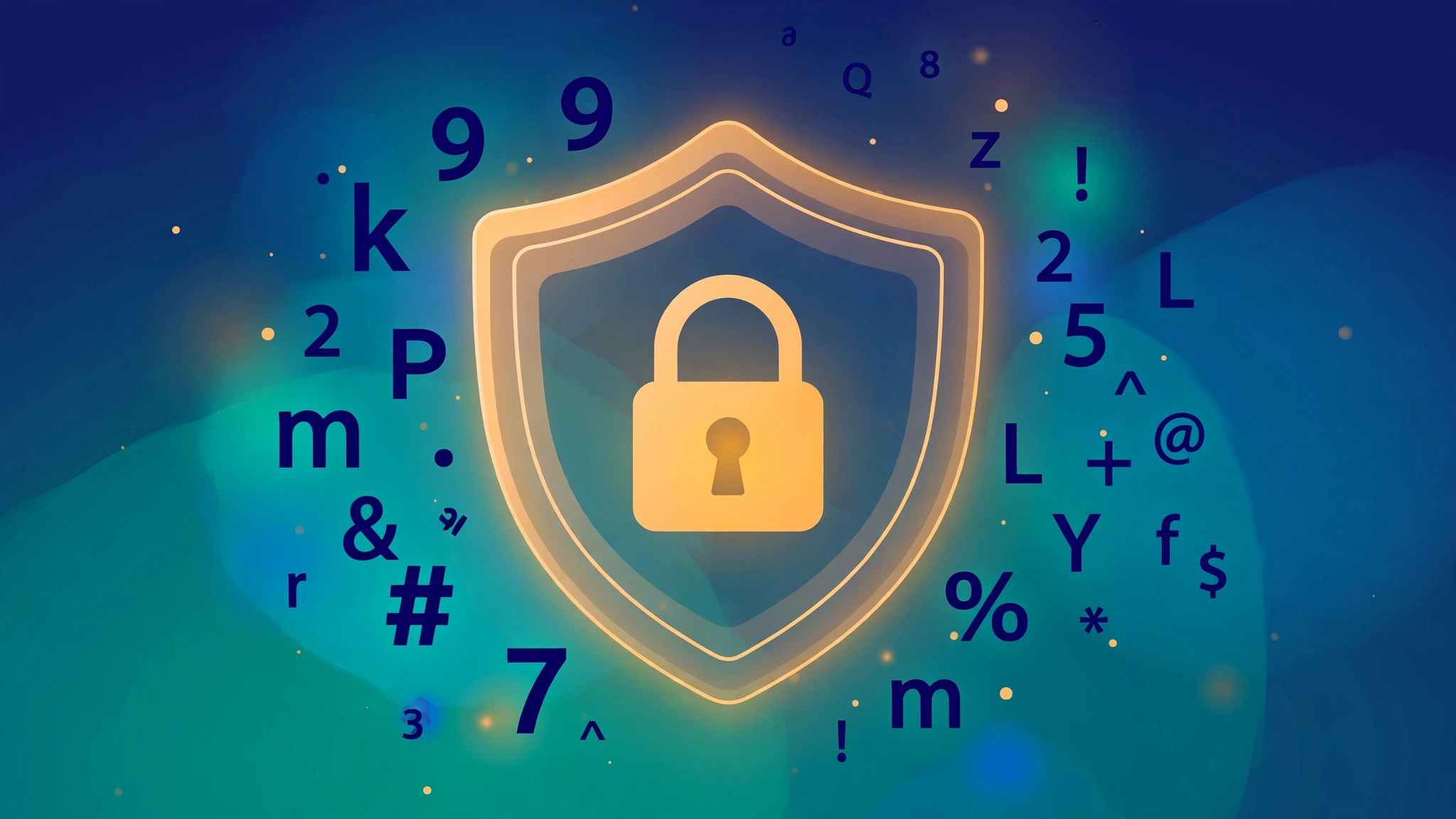
A strong password is long, unpredictable and used in only one place. Password strength comes mainly from password length and from random characters, not from a clever word that looks hard to guess but follows a familiar password pattern. A mix of letters, a mix of numbers and letters, and numbers and symbols all help, but length helps most, because each extra character multiplies the work of password cracking.
Think about a password combination that no one could work out from your personal information. Your date of birth, your pet name, your username and the answers to a security question are all easy for someone who knows you, or who can search for you, to try. A dictionary attack tries common words first, a brute force attack tries every possible combination in turn, and credential stuffing tries a stolen password from one site on many others. That is why a common password, a bad password built from a keyboard pattern, a sequential number or a repeating character, fails so quickly.
How Password Strength Is Measured
You can check your password with a password meter, a password checker or a password strength checker, and these tools estimate how long guessing would take. A short test your password moment is useful, but do not type a real password into a random website to test your password, because that site could store it. A password audit of your own accounts is safer: use a password checklist, look for password reuse, and change any compromised password first.
How Long Should a Strong Password Be?
The minimum password length on many sites is still 8 characters, and the National Cybersecurity Alliance now recommends at least 16 characters for a strong password, while NIST allows a password up to 64 characters and sets 8 characters as the floor for a subscriber-chosen password. Longer is stronger, and a 16-character password is far harder to crack than an 8-character one, even when both use the same kinds of characters. That is why 16 is the target to remember in this guide, and why 8 is only a floor, never a goal.
A password policy that only asks for a password requirement such as one uppercase letter, one lowercase letter and one special character can still allow a short, predictable password. A better password policy asks for length first, then for variety across character types. If a site limits you to a short password, use the longest length it allows, and add two-factor authentication as a second layer.
| Password length | Character mix | Guessing effort |
|---|---|---|
| 8 characters | Letters and numbers | Low |
| 12 characters | Letters, numbers and symbols | Moderate |
| 16 characters | Letters, numbers and symbols | High |
| 20 characters or more | Letters, numbers and symbols | Very high |
The table shows why length is the first password tip in this guide and the first password best practice to follow. A passphrase built from random words can be both a memorable password and a strong one, because four random words create a long string that is easy to remember for you and hard to guess for anyone else. The words must be chosen at random, not taken from a song, a film or a phrase you use every day, or the advantage disappears.
How to Create a Strong Password Step by Step
Follow these steps once, and you will have a method you can repeat for a new email account, a banking account or any other online account. The method works because it separates creation, storage and checking into three small jobs, instead of asking you to remember everything at once.
- Decide the account and set the length to at least 16 characters.
- Use a password generator to make a random password, or use a 15-character password generator when a site limits length.
- Check that it has a mix of letters, numbers and symbols, with no personal information in it.
- Save it in a password manager before you close the page.
- Turn on two-factor authentication for the account.
- Test the sign-in once, then sign out and sign in again to confirm it works.
That short routine is the core of how to create a strong password in real life, and it avoids the most common failure, which is creating a good password and then losing it. Saving first matters, because a password you cannot find is a password you will reset, and a reset your password loop often leads people back to a short, familiar password they already use elsewhere.
After the steps, think about where the password lives. Password storage in a password vault is safer than a note on your desk, a photo in your phone or an email to yourself. Never write down your password on paper left near your computer, and never write down your password in a shared document, because anyone who finds it has the key, and changing it later does not undo the access they already had.
What Are Strong Password Examples?
A useful password example is a long string you did not invent from your own life, such as a passphrase of four random words with a number and a symbol added, or a fully random string from a generator. The first kind is a memorable password because you can picture the words, and the second kind is a safe password because no person could guess the order. Both are strong and unique when they are used for one account only.
How Can You Remember Strong Passwords Without Writing Them Down?
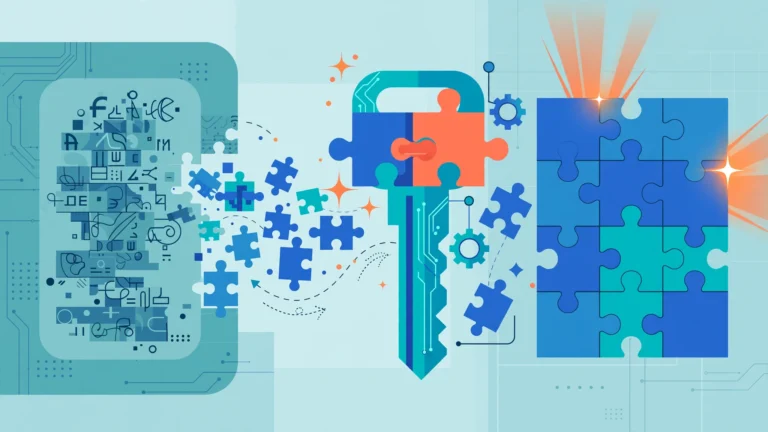
You remember strong passwords by remembering only one: your master password. A password manager keeps every other password in a password vault, fills it in with autofill password support when you sign in, and lets you copy a password when autofill is not available. A browser password manager can do the same job for basic use, but a dedicated manager adds protection such as an encrypted vault, a password audit and alerts when a saved password appears in a known breach.
The same habit applies to other daily jobs. You would use a purpose-built tool for each one, such as an attendance calculator for classes, a body shape calculator for measurements, or a tool to resize an image to 50KB for uploads, instead of guessing the answer by hand. Passwords deserve the same approach, and a passphrase you can picture is easier to hold in memory than a string of unrelated symbols.
Should You Use a Password Manager?
Yes, for most people a password manager is the simplest way to keep a different password for every account and a unique password for every account that matters. It removes the need to reuse the same password, it creates a random password in one click, and it stores the result where only your master password can open it. That is good password hygiene, and it is also the advice given in the NIST password guidance, which moved away from forced character rules and toward length, uniqueness and checking passwords against known breach lists.
What Is Two-Factor Authentication and Why Does It Matter?
Two-factor authentication means you prove who you are in two ways: something you know, such as a password, and something you have or are, such as a one-time code from an authentication app. Multi-factor authentication is the wider name for the same idea, and an authenticator app is safer than an SMS code, because a text message can be intercepted or redirected. A passkey goes further, offering passwordless login with biometric authentication, such as fingerprint login or face recognition, so there is no typed secret for a phishing attack to steal.
Turn on two-factor authentication for your email account first, because a password reset link for almost every other account goes to that inbox. Save a recovery code in a safe place, watch for a security alert about suspicious activity, and know how to lock your account if you lose your phone. The NIST password guidance explains the same layered approach, and the National Cybersecurity Alliance gives the same advice in its own guide to strong passwords.
What Password Mistakes Should You Avoid?
Most passwords fail for a small number of avoidable reasons, and fixing them is faster than learning a new system. A password is not a place to show your personality, your favourite team or your life story, and it is not a place to save effort by copying a password that already works somewhere else.
- Do not use the same password on two accounts, and never reuse passwords after a breach.
- Do not build a password from a pet name, a birth date or a favourite word.
- Do not encode a password with a Base64 converter and think encoding makes it secret.
- Do not decorate a password with a fancy text generator, because stylish characters are hard to type on every device.
- Do not treat a signature as a secret: a handwritten signature generator creates a signature, not a login secret.
Each mistake above has the same root, which is that the password can be guessed from something about you or from a pattern other people also use. A security breach does not need a clever attack when the password is a pet name plus a year, and a phishing attack does not need to break any code when the victim types the real password into a fake page. If you need a name for a pet, use a pet name generator for that job, and keep it far away from your login credentials.
Good habits are simple to keep once they are set up. Regular password change is no longer the main advice, and password expiration on a fixed schedule can push people toward weaker passwords, so change a password when there is a reason, such as a breach, a shared password or a lost device. That is the modern view of password hygiene, and it keeps your attention on the passwords that actually need work.
How Do You Create a Strong Password for Email, Banking and Social Media?
Start with your email account, because the password for email protects the inbox that can reset almost everything else. Then protect your banking account and every financial account, your work account and your school account, and after that your streaming account and shopping account. The password for banking should be your longest and most random, and the password for social media should be a unique password for every social media account, because a social media account is often the first place an attacker tries a stolen password.
Online banking deserves extra care, because it holds real money and a real identity. Use a password manager, turn on two-factor authentication, and check statements often, so a small loss is found early. The same care helps with everyday money, and a credit card interest calculator can show what a balance really costs while your accounts stay protected.
How Often Should You Change Your Password?
Change your password when there is a reason to do so, and update your password at once after a security breach, a phishing message or a lost device. Weak or reused passwords are involved in 81% of hacking-related breaches, according to 1Password, so the priority is to fix a weak password now, not to wait for a calendar date. If you use the forgot password flow, follow the password reset link from the real site only, never from a message you did not expect, and choose a new password that is long, unique and random.
What Should You Do If Your Password Is Leaked or Stolen?
If a leaked password or a stolen password is linked to your account, act the same day. Change your password for that account, then check every place where you used the same password and change those too, because credential stuffing will try the old one everywhere. Turn on two-factor authentication, look for a security alert about suspicious activity, and sign out of all devices if the service offers that option.
After the urgent fix, check your recovery options and your account recovery details, so a future lockout does not push you back to a weak password. The National Cybersecurity Alliance guide to passwords, at staysafeonline.org/articles/passwords, gives the same steps in short form: make it long, make it unique, make it random, and add multi-factor authentication wherever it is offered.
Frequently Asked Questions
How long should a strong password be?
Use at least 16 characters for a strong password, and use more when the site allows it. Length matters more than clever spelling, and a long password is far harder to guess than a short one with the same character types.
Is it safe to use the same password on more than one site?
No. If one site is breached, the same password can unlock every other account that shares it. Use a different password for every account, and let a password manager keep track of them for you.
Should I change my password regularly?
Change it when there is a reason, such as a breach, a phishing attempt or a shared password. Changing a strong password on a fixed schedule often leads to weaker passwords, so fix the risky ones first.
What is the best way to store passwords?
Store them in a password manager with a strong master password and multi-factor authentication. Do not write them on paper, save them in a plain document, or email them to yourself.
Can I use a passkey instead of a password?
Yes, where a site offers a passkey, use it. It gives passwordless login with your device and biometric authentication, and there is no typed password for an attacker to steal or reuse.
Disclaimer: This article gives general information about password safety and safe storage only. It is not professional security advice, and no password, manager or security step can guarantee that an account will never be breached. Keep your passwords private, use the security features your accounts offer, and seek expert help if you think an account has been compromised.